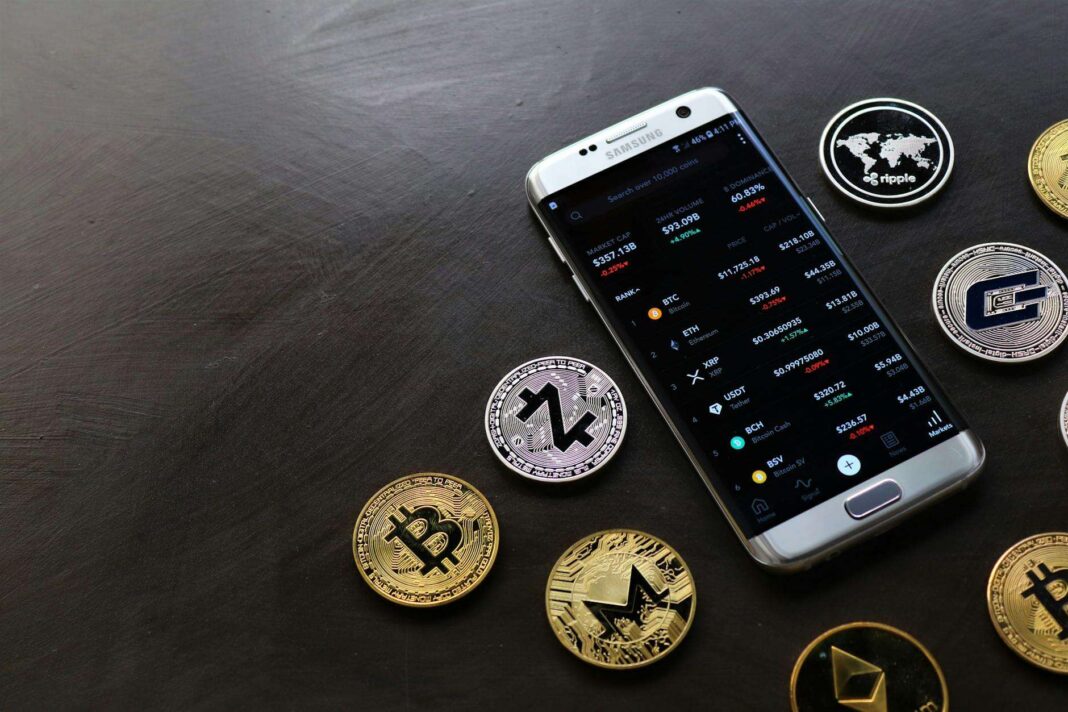


I remember realizing crypto arbitrage was possible back around 2017. I was watching the price of Bitcoin on Coinbase, and simultaneously checking Kraken, and there was this tiny, fleeting gap—maybe $50—between the buy and sell prices. It felt like spotting buried treasure. Crypto arbitrage, at its core, is just exploiting the price difference for the same asset on different exchanges. It sounds stunningly simple, right? You buy low where the price is slighty depressed and instantly sell high where the price is inflated, pocketing the spread.
You’ve gotta understand, unlike traditional stock markets where these disparities vanish almost instantly due to high-frequency trading firms with lightning infrastructure, the crypto space is still fragmented. That fragmentation creates temporary inefficiencies, giving the human or bot trader a shot. Think about Ethereum trading for $1,800 on Binance but selling for $1,812 on Gemini; that extra $12 is your profit opportunity.
The biggest challenge, the one that’ll make you want to throw your monitor out the window, is the execution speed and the associated costs. You’re racing the clock, and you’re definitely racing algorithms. If you’re trying this manually, you’re probably already too late. The actual profit margin after accounting for network fees and trading commissions might only be a quarter of a percent on a good day. Navigating the sheer liquidity variations across exchanges is a massive headache; selling a chunk of Solana on a small exchange might crash its local price before your order fills, wiping out your supposed gains.
One approach people try is triangular arbitrage. This is where you exploit price discrepancies within three different currencies on a single exchange. For instance, you might convert USDC to Bitcoin, then immediately use that Bitcoin to buy Dogecoin, and finally sell the Dogecoin back into USDC. If the final USDC amount is greater than your starting amount, you’ve made a risk-free profit. I honestly think that this method is probably the hardest to pull off manually because you need three perfectly timed trades executed seamlessly, which usually means you need a dedicated crypto trading bot just to manage the logic.
A significant criticism, and it’s a huge one, is the withdrawal time and transfer risk. Say you spot a sweet arbitrage opportunity between an exchange in Europe and one in Asia. You buy the asset cheap on the European exchange—great. Now you need to move those tokens over to the Asian exchange to sell them high. That transfer could take anywhere from 15 minutes to over an hour with network congestion, especially during high-volume periods. During that transfer time, the price disparity you banked on completely evaporates, and you’re just sitting there holding an asset that might have tanked. You just lost time and paid a gas fee for nothing. This is why many experienced traders keep significant capital parked on multiple exchanges simultaneously, which introduces its own set of security risks, as detailed by sources like Investopedia explaining the dangers of custodian risk.
Keeping funds spread out isn’t exactly comfortable, knowing that if one smaller exchange gets hacked or suffers insolvency issues, like what happened with some platforms during the last market downturn, a substantial portion of your arbitrage capital might be locked up indefinitely, as reported by outlets like Forbes. My personal opinion is that if you don’t have at least $10,000 to start, the fractional percentage gains you make will be completely eaten up by transfer fees and standard trading commissions—it’s not worth the effort for small potatoes.
The tools available greatly influence success. Automated arbitrage bots scan market data across dozens of exchanges continuously, looking for those micro-gaps. These tools often use APIs to execute trades faster than any human ever could. They handle the constant monitoring required to catch fleeting moments where the price difference might be just zero point two percent. For someone building their own system, understanding the API rate limits of major platforms like Kraken or Coinbase Pro is crucial to avoid getting blocked while scanning for opportunities. You can research the technical requirements for market data access through official exchange documentation, such as what you find on many developer portals.
Then there’s the regulatory headache. Governments aren’t entirely sure how to treat these cross-border, instant trades, and clear guidelines are scarce across jurisdictions, meaning what’s legal today might be thorny tomorrow. Seriously, trying to keep track of the tax implications across different countries for dozens of tiny, high-frequency trades is enough to make your accountant quit.
Ultimately, crypto arbitrage isn’t some magical “free money” machine; it’s a highly technical, high-stress form of active trading that demands speed, capital, and exceptional risk management, but hey, at least you probably won’t have to learn to code in Python to succeed.