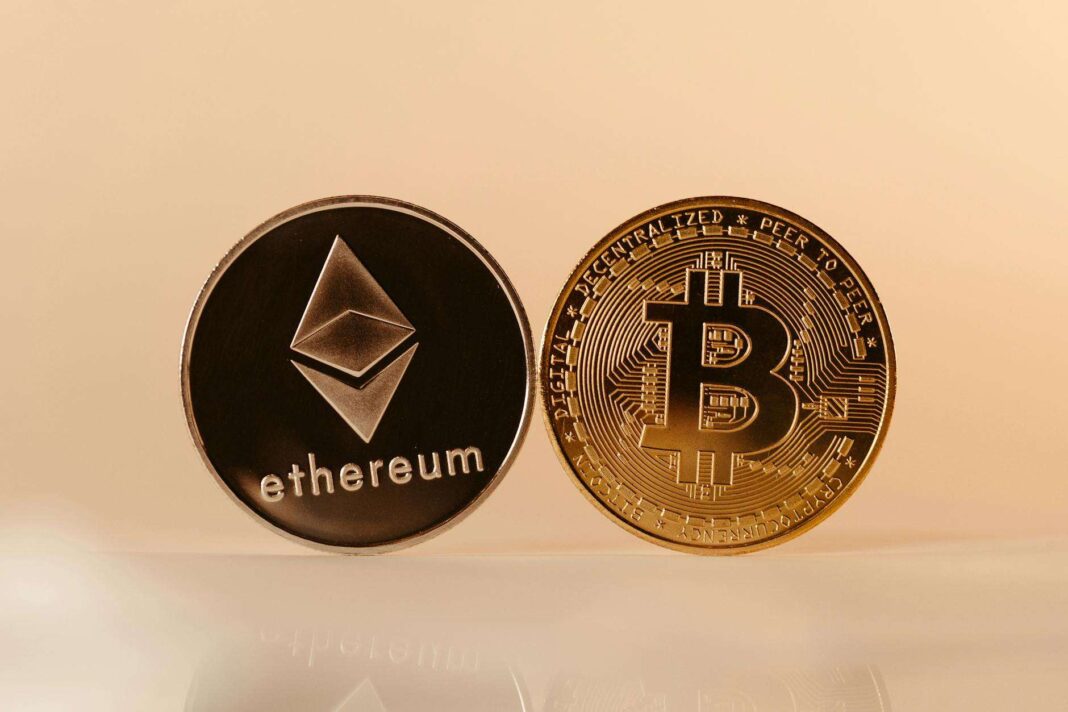



I remember when Ethereum was this obscure side project to Bitcoin, barely trading for twenty dollars a coin back around 2016. Now, seeing its price swing wildly between a few hundred to several thousand dollars makes you realize things have fundamentally changed in the crypto space. People often ask me what Ethereum even is if they only hear about Bitcoin. Simply put, Ethereum is much more than just a currency; it’s a decentralized computing platform.
The real magic behind Ethereum lies in the smart contracts. These aren’t like the contracts you sign with a lawyer; they’re self-executing agreements where the terms are directly written into code, living on the Ethereum blockchain. You don’t have to trust a middleman, like a bank or broker, because the code handles the execution automatically once the conditions are met. Think about property transfer or even managing a complex supply chain—smart contracts can handle that trustless exchange, which is why so many developers flock to the platform.
My honest opinion? The sheer scope of what Ethereum aims to achieve—becoming the world’s decentralized computer—is both its greatest strength and its massive inherent risk. It’s audacious.
You’ll hear everyone talking about DeFi, or Decentralized Finance, and almost without exception, DeFi lives on Ethereum. This ecosystem includes lending platforms, decentralized exchanges (DEXs), and stablecoins—all running without traditional banks. For instance, protocols like Uniswap allow direct token swaps without an intermediary holding your funds, demonstrating this power in action. This massive adoption is why Ethereum has seen explosive growth in usage, sometimes causing major headaches for users.
That brings up the biggest pain point: gas fees. Oh man, I nearly threw my laptop across the room last year when I tried to mint a simple NFT and the cost to execute the transaction—the gas fee—was suddenly over $150! It’s frustrating beyond belief when the network gets congested, which happens frequently during peak demand for things like big NFT drops or major DeFi migrations. You’re paying high variable costs just to use the network, which severely limits everyday transactional use cases unless you’re dealing with substantial dollar amounts, because small purchases just aren’t economical when fees can reach triple digits. This high cost structure is certainly Ethereum’s biggest hurdle right now, although layering solutions are trying to address it.
The network successfully transitioned from Proof-of-Work to Proof-of-Stake in an event known as “The Merge.” This was a massive technological undertaking, moving consensus from energy-intensive mining to staking tokens to validate transactions. This change cut the network’s energy consumption by roughly 99.95%, according to some estimates shared by the Ethereum Foundation. It’s a monumental achievement for any complex software system, let alone a multi-billion dollar decentralized ledger. Understand how this mechanism works; it’s essential for grasping the future security model of ETH.
Smart investors aren’t just buying ETH as a store of value hoping the price goes up; they are buying it because they need the underlying asset to interact with the decentralized ecosystem. You have to hold ETH to pay those transaction fees, or gas, no matter what application you’re using on the Ethereum Virtual Machine (EVM). It’s the required “fuel” for the smart contract engine. You can read about the economic theory behind this dynamic on resources like Investopedia.
What surprised me most was how resilient the community remained after the Terra/LUNA crash around 2022. Many assumed the entire DeFi sector would collapse into dust, but the core Ethereum infrastructure held steady, cementing its position as the trusted foundation for most decentralized applications, despite the chaos that wiped out billions elsewhere. You can see the regulatory viewpoint on crypto assets via sites such as NerdWallet when people panic about stability.
The ongoing development, focused on scaling through things like Layer 2 solutions—think Arbitrum or Optimism—is the current focus. These rollups bundle transactions off the main chain (Layer 1) and submit proof back to Ethereum, drastically reducing fees and improving speed for the end-user. We’re looking at solutions that can handle potentially thousands of transactions per second soon, moving away from the days when your transaction sat pending for hours waiting for a low gas fee window.
Ethereum, despite its complexity and its very real centralization risks in validator staking pools, remains the undisputed backbone of serious decentralized innovation. It’s not just a digital coin; it’s the settlement layer for the next generation of the internet. Honestly, the fact that you must constantly pay a toll just to use the world’s proposed decentralized operating system suggests maybe, just maybe, being decentralized doesn’t automatically mean being free.