


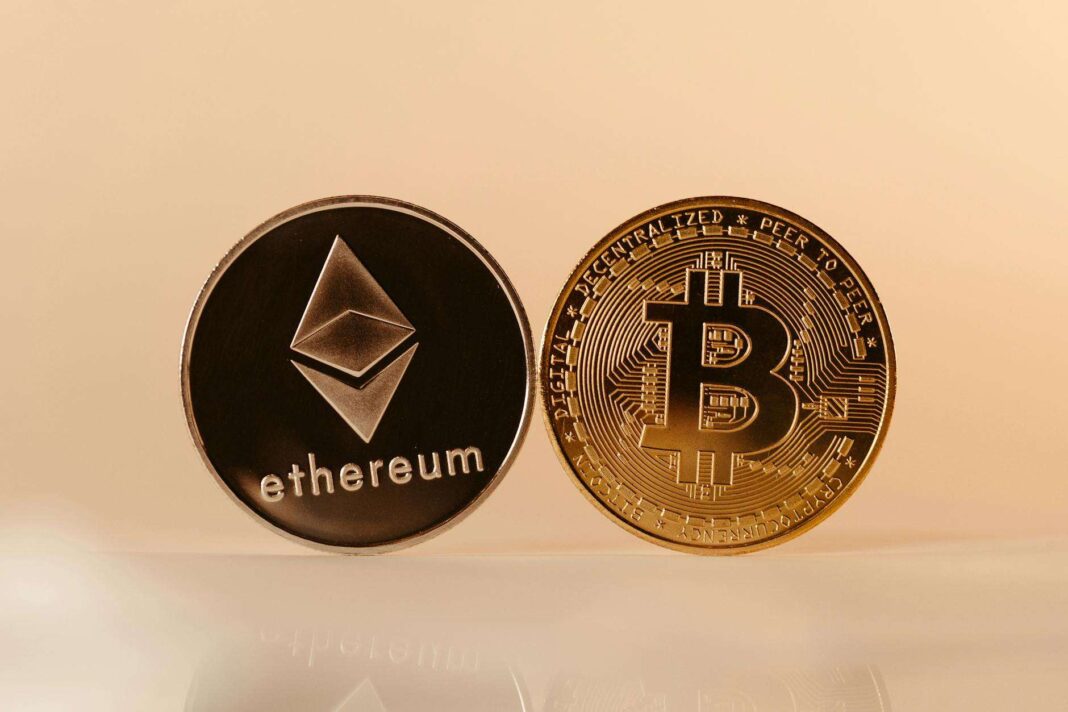
I remember staring at my portfolio back in 2017, feeling like I’d accidentally bought stock in vaporware. That was my introduction to the wild world where Bitcoin and Ethereum battle for dominance, and honestly, trying to figure out which one makes more money feels like predicting the weather in Miami. You’ve got your established heavyweight, Bitcoin (BTC), the digital gold standard, and then the versatile contender, Ethereum (ETH), which is way more than just a currency; it’s the backbone of decentralized finance.
The core difference, the one everyone glosses over, is utility. Bitcoin functions primarily as a store of value and a medium of exchange, much like physical gold, designed for immutability and scarcity. They capped the supply at 21 million coins—that hard limit is its main selling point for many investors betting on long-term inflation hedging. If you’re looking for the conservative crypto play, the one that gets nodded at by traditional finance folks, you pick BTC.
Ethereum, however, introduced the smart contract. This is the capability that blew everything wide open, allowing developers to build applications directly on the blockchain. Think about the sheer volume of activity: decentralized exchanges (DEXs), NFTs, and lending protocols—they all run on the Ethereum network. This utility often translates to higher demand under specific market conditions, which is why its price swings can feel absolutely bananas compared to Bitcoin’s more stately gait.
When we discuss which investment makes more money, you’re really asking which one offers better upside potential versus which offers better stability. Historically, Bitcoin has led bull runs, setting the pace, but sometimes Ethereum catches up and overtakes it in percentage gains during peak mania. For instance, during certain stretches in 2020 and 2021, ETH significantly outperformed BTC on a percentage basis because the DeFi ecosystem was exploding, and everyone needed ETH to pay for gas fees to interact with those apps. Check out what Investopedia says about these blue-chip cryptos; they aren’t just digital tokens anymore, they’re foundational technologies.
My personal take? If you’re under the age of 40 and can stomach the volatility, a heavier allocation toward Ethereum often provides asymmetric risk/reward because of its underlying technological relevance. Bitcoin is the safer bet, sure, but safe bets don’t usually deliver 10x returns in a year, right?
But here’s the real kicker, the thing that drives me batty when explaining this: Ethereum’s ongoing transition, the move to Proof-of-Stake (PoS) via The Merge, while technologically fascinating, introduces significant governance and centralization concerns that Bitcoin’s simple Proof-of-Work (PoW) system avoids entirely. Seriously, watching the community debate governance proposals for hours on Twitter is exhausting; Bitcoin’s entire philosophy is stagnation in security upgrades, and that perceived simplicity is actually a feature for many. If you want proof of how complex this gets, look at the structure of PoS governance on sites like the official Ethereum Foundation documentation.
The biggest practical drawback to Ethereum, and this is where I get genuinely annoyed, is the gas fees. Trying to mint a simple NFT when the network is congested can cost you $50 to $150 just to process the transaction. That effectively prices out smaller investors from participating actively in DeFi protocols unless they’re moving serious capital. Meanwhile, sending a Bitcoin transaction, while sometimes slow, generally keeps its fees in a lower, more predictable range, often below $10 unless the network is severely spammed.
Bitcoin, sticking to its simpler use case, doesn’t suffer from this application-layer bloat, which keeps its transactional costs marginally more stable for basic transfers. You can read analyses from places like Forbes breaking down the relative security budget of both chains, and the numbers consistently show BTC’s network being orders of magnitude more expensive to attack due to its pure PoW mining expenditure.
So, when you weigh it up, Bitcoin is the established, regulated-friendly asset that institutional money feels comfortable dipping its toes into, offering less dramatic but more consistent appreciation tied to overall market sentiment and scarcity narrative. Ethereum is the disruptive technology play, offering higher potential returns tied directly to application adoption, but burdened by complexity and sometimes prohibitive operational costs. If you think DeFi and the next generation of the internet are going to need a decentralized backbone, you choose ETH; if you just want digital savings, you stick with BTC. Ultimately, both will probably make you a decent amount of money, assuming you don’t panic sell when one drops 40% in a weekend—which is easier said than done when you see your actual bank account balance shrink like that.