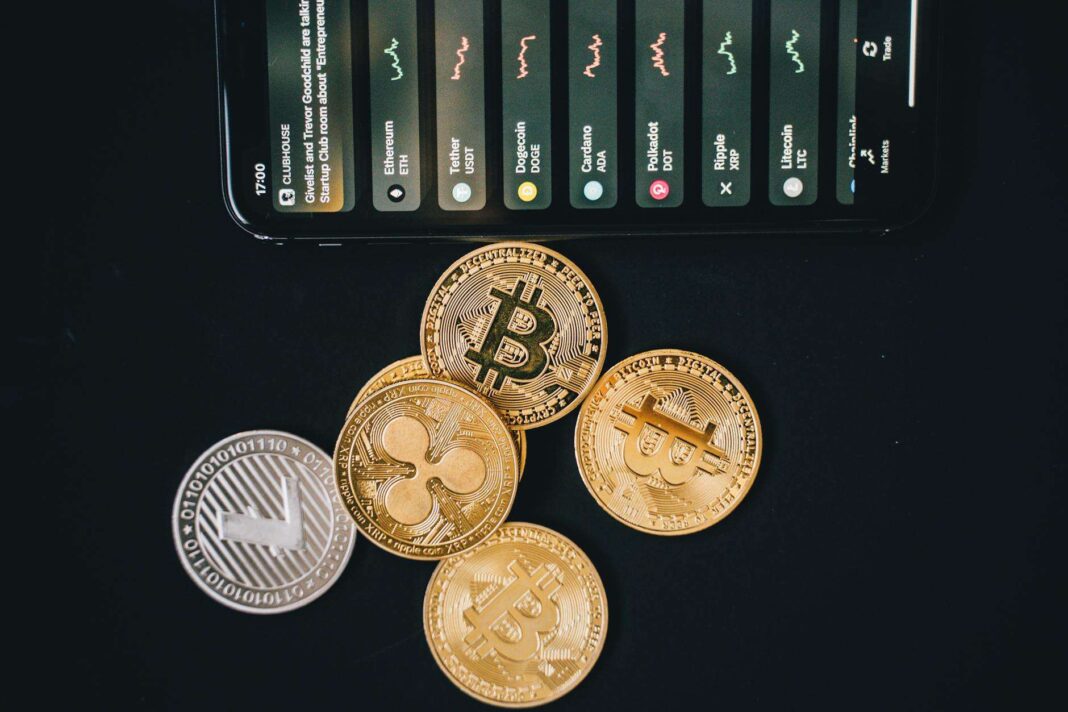


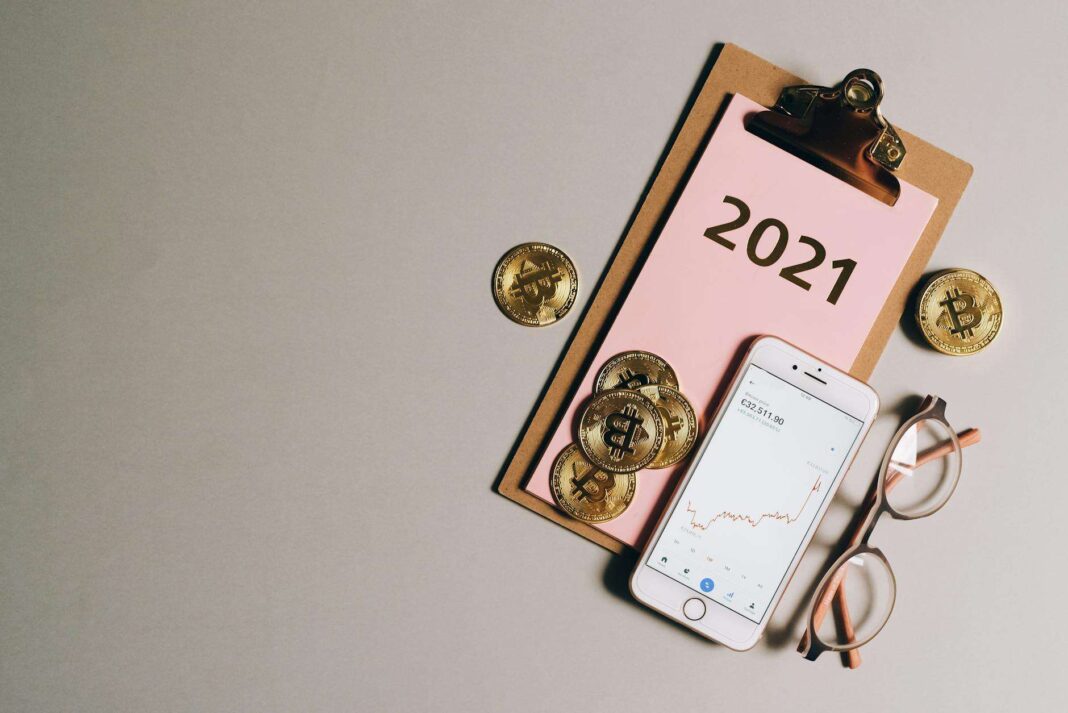
I remember when Bitcoin hit $20,000 back in late 2017. Everyone thought that was the peak, the absolute ceiling. Boy, were we wrong. Trying to pin down where the BTC price is headed next feels like trying to catch smoke, but since you asked what the experts are murmuring about, we can certainly lay out the landscape.
Seventy-five thousand dollars for a single coin? That’s what some of the more bullish analysts on Wall Street are tossing around these days, suggesting we haven’t even seen the initial fireworks, let alone the main event. These predictions usually hinge on two major factors: the halving cycles and institutional adoption, especially with these new spot Bitcoin ETFs. When major financial players like BlackRock start pushing Bitcoin ETFs, it changes the whole accessibility equation.
The halving event, which slashes new supply every four years or so, historically acts as a massive supply shock generator. After the 2024 halving, for instance, you see historical patterns suggesting a rally will occur sometime in the next 12 to 18 months. It’s not a guarantee, obviously, but it’s the bedrock of pretty much every long-term bull case people make for BTC.
Look, my personal take is that the retail investor excitement we saw a few cycles ago is being replaced by slower, steadier accumulation from huge corporate treasuries and pension funds. This shift in ownership type means volatility might smooth out slightly, though you absolutely will still see those terrifying 30% drops that make your stomach churn. I genuinely feel that those drops are the price you pay for getting this kind of asymmetric upside potential.
One massive complication that nobody seems to have a clean answer for is regulatory clarity. If a major government, say the US, suddenly clamped down hard with truly punitive tax laws or outright bans, the price action would be ugly—think dropping from $65,000 to maybe $35,000 overnight, or worse. You can read about the ongoing debates concerning digital asset regulation over at the SEC website, though they aren’t giving away the roadmap yet.
The consensus among the more conservative crypto strategists often points toward a range-bound market for a while after any major run-up, perhaps hovering between $50,000 and $70,000 for a year or two, allowing the groundwork for the next leg up to solidify. They point to the fact that Bitcoin’s market cap is already massive—trillions, not millions—meaning it takes exponentially more new capital to push the price up significantly compared to five years ago.
You’ve also got to consider the technological competition. While Bitcoin remains the digital gold standard and the most decentralized asset out there—which is why institutions like it—other chains are doing fascinating things with smart contracts and scalability. Still, for the price prediction game, BTC’s network effect and its status as the original crypto asset give it a moat that’s incredibly hard to breach. For a deep dive into how Bitcoin’s security model influences its value proposition, Investopedia has some excellent primers.
The biggest downside I see, which is a serious drawback, is the sheer energy consumption debate. While many miners are moving toward sustainable grids—and many run on otherwise wasted energy—the perception of environmental damage sticks around, and that narrative can absolutely spook ESG-focused funds from allocating significant capital. That environmental scrutiny is something the entire industry really needs to address more transparently if we expect sustained mainstream trust, a point often highlighted in Forbes discussions on sustainable finance.
So where does that leave us? If the ETFs continue seeing massive inflows, surpassing $1 billion in net new assets per week, then seeing $100,000 within the next couple of years seems entirely plausible, if not probable. But if global recession hits or interest rates stay brutally high, all bets are off, period. Honestly, if the price stabilizes and starts trading sideways for five years straight, I wouldn’t be completely surprised either.