


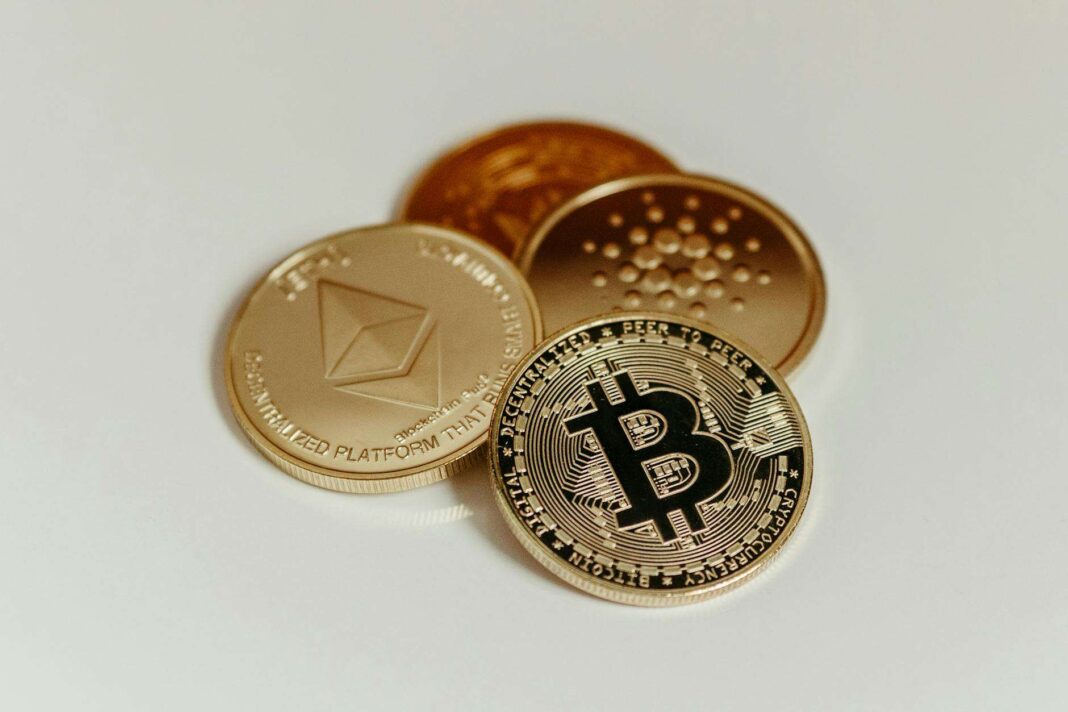
I remember when I first started looking for free crypto, I thought surely there had to be a catch—maybe I’d accidentally sign up for something shady involving my retirement funds. Getting free cryptocurrency often sounds too good to be true, but trust me, there are legitimate ways to snag small amounts without spending a dime of your own money. We’re talking about airdrops, Bitcoin faucets, and referral programs here.
The sheer volume of garbage email sign-ups you have to sift through to find a good airdrop is genuinely infuriating sometimes. Airdrops are essentially marketing stunts where new crypto projects distribute free tokens to a large pool of wallet addresses, usually to generate buzz or reward early community members. You have to keep an eye on forums like Reddit or dedicated crypto airdrop tracking sites because the legitimate ones disappear fast. They often require you to hold a specific existing coin or complete minor social media tasks, like retweeting an announcement, just to prove you’re a real person.
Then there are the famous Bitcoin faucets, which have been around since the early days of Bitcoin. A faucet is basically a website that gives away tiny fractions of a cryptocurrency—think Satoshi amounts—in exchange for you viewing ads or solving a CAPTCHA every few minutes or hours. I tested one site back in 2017 that promised a small bit of Litecoin every hour; after spending three full days clicking through pop-ups, I ended up with maybe $0.50 worth of LTC. It felt like the digital equivalent of collecting pennies off the highway; you’re earning something, but the time spent earning it probably yields way less than minimum wage.
For larger, more sustainable scraps of free crypto, referral programs are often the best bet, provided you know people interested in crypto. Most major exchanges, like Coinbase or Binance, have referral links where both the referrer and the new user get a bonus. If a friend signs up using your unique link and buys, say, $100 worth of Ethereum, you might get a standard bonus, often ranging between $5 and $10 in Bitcoin. It’s pretty straightforward, but you’re relying on your network’s adoption, which isn’t always reliable.
One significant drawback to all these methods, especially airdrops, is the inherent risk related to security. You often have to connect your crypto wallet—like MetaMask—to a third-party site to claim your rewards. If that site gets compromised, or if you accidentally approve a malicious smart contract interaction, you could watch the whole contents of your wallet disappear immediately. I stick strictly to hardware wallets for anything I’m claiming for free now, because the thought of losing my actual investment funds over a $12 airdrop gives me cold sweats. You can read more about securing your private keys on resources like Investopedia.
Now, Bitcoin faucets have evolved a bit. Some platforms integrated them directly into learning modules. For instance, programs that teach you about newer, less established coins might pay you a small amount of that specific token just for watching a short explainer video, maybe two or three minutes long, and then correctly answering a quiz question. I thought this was a much better use of time than staring at ads, almost getting paid to learn about things like Solana or Polkadot basics. These educational rewards are usually tiny—maybe enough for one dollar initially—but they do introduce you to assets you might not have otherwise researched.
The real limitation you must grasp immediately about free crypto is scalability. If you’re aiming to earn a meaningful amount—say, enough to cover your monthly electricity bill—using these methods alone is nearly impossible. You won’t make $500 a month reliably just by claiming Satoshi remnants from faucets. These activities are best viewed as supplementary income supplements specifically for diversifying into brand-new, very risky tokens you wouldn’t buy outright, or for offsetting transaction fees. They are fun novelty earners, not career steps.
I’m surprised by how many legitimate decentralized finance projects use airdrops as their primary initial distribution method rather than relying on traditional venture capital sales; look at how Uniswap distributes governance tokens, for example. It turns out that decentralization starts with giving away your product before anyone even asks for it, which is a fascinating business model shift detailed by Forbes.
Ultimately, if someone promises you free Bitcoin just for entering your email address, you’re probably going to end up subscribed to fifty spam newsletters and potentially victimized by a phishing attempt, so treat everything with extreme skepticism. But if you are patient, use a designated, fresh wallet for these low-value transfers, and stick to well-known exchanges for referrals, you can build up a small portfolio of obscure coins worth absolutely nothing.