


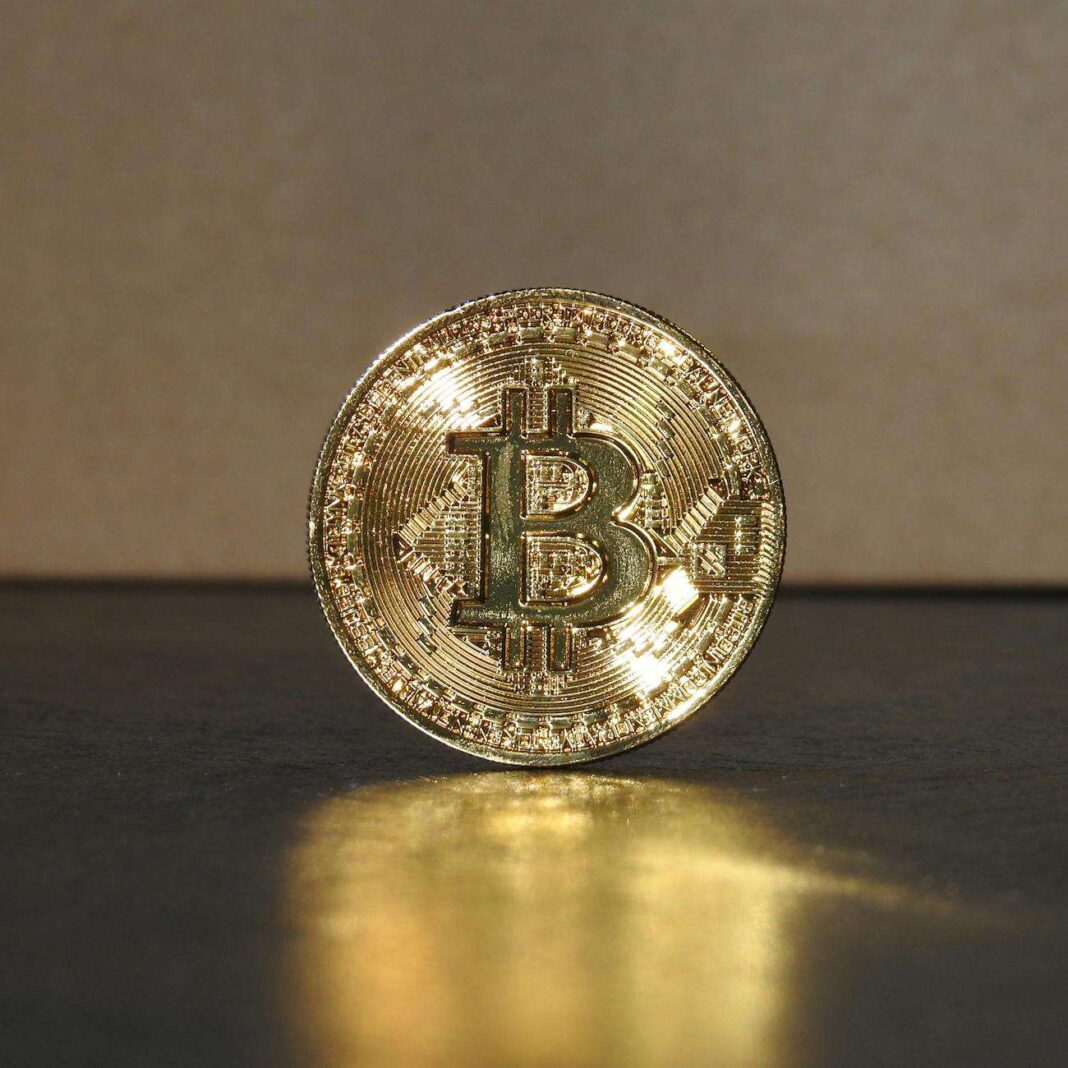
Roughly ten years ago, I bought my first ounce of physical gold. It felt heavy, solid, almost ancient, tucked away in a safe deposit box costing me maybe $100 a year in fees. It was my hedge against the chaos that seemed perpetually brewing in global finance. Now, with Bitcoin sitting in my digital wallet, the feeling is entirely different; it’s lighter, faster, yet somehow carries a similar, albeit more volatile, promise of long-term value storage.
The comparison between gold and Bitcoin isn’t just about shiny metal versus digital code; it’s a philosophical battle over what inherently constitutes sound money. For centuries, gold has been the go-to for preserving purchasing power when governments messed things up or inflation ran wild. Think about the 1971 move when the US completely decoupled the dollar from the gold standard—gold always had that built-in trust because you could physically hold it and everyone, globally, recognized its durability and scarcity.
When folks talk about investing in crypto for wealth preservation, they’re usually pointing straight at Bitcoin’s scarcity model. There will only ever be 21 million Bitcoins mined. That hard cap is mathematically verifiable, unlike any fiat currency which governments can print into oblivion. I’ve seen friends watch their savings vaporize due to hyperinflation in places like Venezuela or Zimbabwe; in those instances, having even a tiny fraction of BTC would have offered a lifeline far superior to local bank accounts, as documented by analyses from organizations like the Bank for International Settlements.
It’s genuinely baffling how many people still treat Bitcoin purely as a speculative trade rather than a potential treasury reserve asset. You watch the price swing 20% in a week, and suddenly everyone panics. But if you frame it against the massive, unrelenting expansion of the global money supply—which is just staggering—these short-term crypto wobbles start to look like noise around a much bigger signal.
Contrast that volatility with gold, which tends to chug along. Gold prices might not give you those 10x returns in a year that crypto sometimes promises, but it rarely drops 50% overnight just because Elon Musk tweeted something silly. Gold is the steady anchor. If you ask me, most retail investors need the anchor more than the rocket ship, even if the anchor feels a little dusty sometimes.
The main criticism of Bitcoin as a store of value—and this is a big one—is its unknown long-term performance history. Gold has millennia of data proving its effectiveness against economic collapse; Bitcoin has less than fifteen years. Furthermore, the entire ecosystem relies heavily on technology and internet access. If the power grid goes down for an extended period, or if a serious, unpatchable quantum computing threat emerged, your digital wealth faces existential risks that physically mining gold doesn’t suffer from. It’s a massive technological dependency that I personally find slightly unnerving, even though the development community works tirelessly on solutions.
Think about the transaction layer, too. Moving gold requires armored trucks, insurance, and security services; it’s cumbersome, but tangible. Moving Bitcoin is instant and cheap globally, provided you’re online and know your private keys. The downside here is that if you lose your seed phrase, your wealth vanishes into the ether permanently. There’s no lost and found department for crypto keys, unlike the slow, bureaucratic process of reclaiming lost physical assets. You can research the mechanics of digital private key security on finance education sites to see how critical this element is.
My personal opinion? Both belong in a serious wealth protection portfolio. You can’t just dismiss gold because it’s old; its geopolitical acceptance is unparalleled. But you’d be foolish to ignore Bitcoin because its programmable scarcity is arguably the purest form of scarcity conceived by humans, something that traditional finance leaders are starting to accept, according to recent reports from places like Forbes.
If the goal is purely to protect your ability to buy a nice steak dinner thirty years from now without having the government dilute your savings, gold historically wins on reliability, while Bitcoin wins on potential growth and ease of transfer across borders. Frankly, I suspect the eventual convergence will look like Bitcoin becoming the high-growth digital reserve layer, while gold retains its role as the ultimate, non-digital emergency backup, which seems ridiculously inefficient when you stop to think about it.