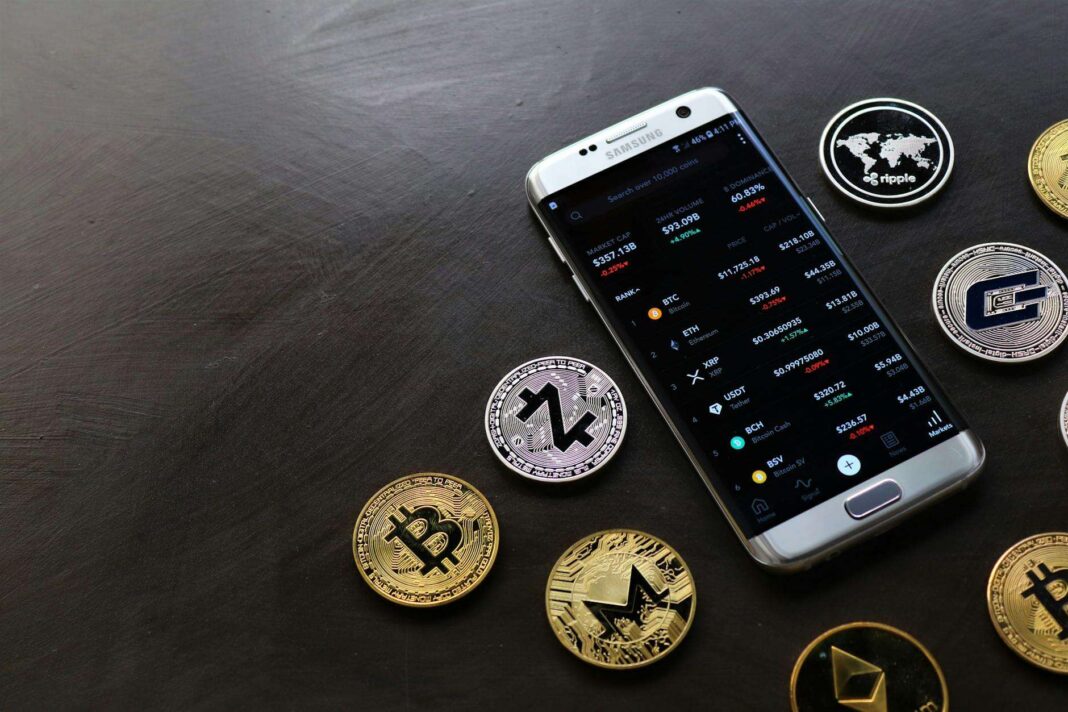


I remember watching my initial crypto investment, maybe around $5,000 dumped nearly 70% of its value back in 2018. It was gut-wrenching, seeing perceived gains evaporate because I’d put everything into just two silly altcoins I barely understood. That experience taught me the brutal necessity of diversification when you mess around with volatile assets like cryptocurrency. You simply cannot afford to have all your eggs, especially digital eggs, in one basket.
Building a robust crypto portfolio isn’t about chasing the next 100x coin; it’s about making sure you don’t starve when the market decides to take a nap for a year or two. You need layers. Think about how established investors manage stock portfolios; they don’t load up solely on one hot tech stock, and neither should you approach digital assets.
The first, and arguably easiest, layer is establishing a foundation with the blue-chip cryptos. I’m talking about Bitcoin (BTC) and Ethereum (ETH). These two act as the bedrock. They have the longest track records, the highest market caps—easily in the hundreds of billions—and the most institutional recognition. My personal rule of thumb, and you can scoff if you want, is keeping 60% to 75% of my entire crypto allocation fixed in these two. When the entire sector zigs into a bear market, these two tend to zag back up slightly sooner than the rest, or at least they fall less catastrophically. Check out how Bitcoin’s market share behaves during downturns; it’s fascinating.
You can’t stop there, though. If you only hold BTC and ETH, you’re missing out on potential upside from solid infrastructure plays, albeit with higher risk. This is where you introduce Layer 1 and Layer 2 protocols. Think about assets solving real scalability issues, like Solana or perhaps Polygon. These aren’t just speculative tokens; they are attempting to become the backbone for the next generation of the internet. Allocate maybe 15% to 20% here. You need exposure to established ecosystems that aren’t Ethereum, just to hedge against potential technical stagnation in the dominant chain.
It absolutely blew my mind a few years ago when a particular Layer 1 project I was bullish on decided to completely rewrite its core consensus mechanism mid-cycle. It caused weeks of uncertainty and a massive drop in price, even though the change was ultimately beneficial long-term. That’s the kind of idiosyncratic risk you take when you move beyond the safest bets.
A smaller segment of your portfolio, perhaps around 10%, should be dedicated to decentralized finance (DeFi) and utility tokens. This usually means lending protocols, decentralized exchanges, or maybe governance tokens for major platforms. These assets correlate slightly differently with the major coins because their value is derived from transaction fees and usage, not just speculation on scarcity. If DeFi usage spikes even while Bitcoin is trading sideways, this segment can provide necessary ballast.
Now, we have to discuss the absolute riskiest slice of the pie, the part that keeps you up at night: the high-risk altcoins. I allocate less than 5% here, maybe even closer to 2% if I’m feeling particularly cautious. This is where you might put tokens for small gaming projects, emerging NFTs platforms, or brand-new concepts hoping for adoption. You have to treat this money as already spent; it’s speculative capital designated for lottery-ticket potential. I advise anyone reading this to fully understand the concept of impermanent loss before touching DeFi protocols, as it’s a trap many new users fall into, as explained well over at Investopedia.
The toughest challenge with portfolio diversification in crypto is determining correlation versus true independence. Many altcoins—even those promising revolutionary tech—will still crash 80% when Bitcoin drops 30%. They are simply too dependent on overall market sentiment. A key criticism I have is that true technological diversification is much harder to achieve in crypto than in traditional finance because almost every asset is still priced primarily against BTC. You need to look at whitepapers and transaction volumes instead of just price charts to find real non-correlation.
To manage this, I use dollar-cost averaging (DCA) for my core holdings, buying the same small amount every two weeks, regardless of what’s happening on the charts. DCA smooths out the volatility inherent in buying, preventing you from dumping a large sum right before a sudden dip. For the high-risk space, I only invest lump sums when something major has happened, like a verified project launch or a successful mainnet migration, as documented by reliable sources like CoinDesk. Remember, keeping a portion of your overall investment in stablecoins, like USDC or USDT, is also a form of diversification, protecting capital against market gravity, as detailed by the Federal Reserve’s research into stable asset backing.
Ultimately, surviving a bear market comes down to having the psychological fortitude to hold assets that are losing value daily, knowing you’ve spread your risk enough that ruin isn’t imminent. Despite all the talk of cutting-edge technology, the truth is that most crypto portfolios end up looking exactly like a slightly riskier version of the S&P 500, just with a different ticker symbol.