

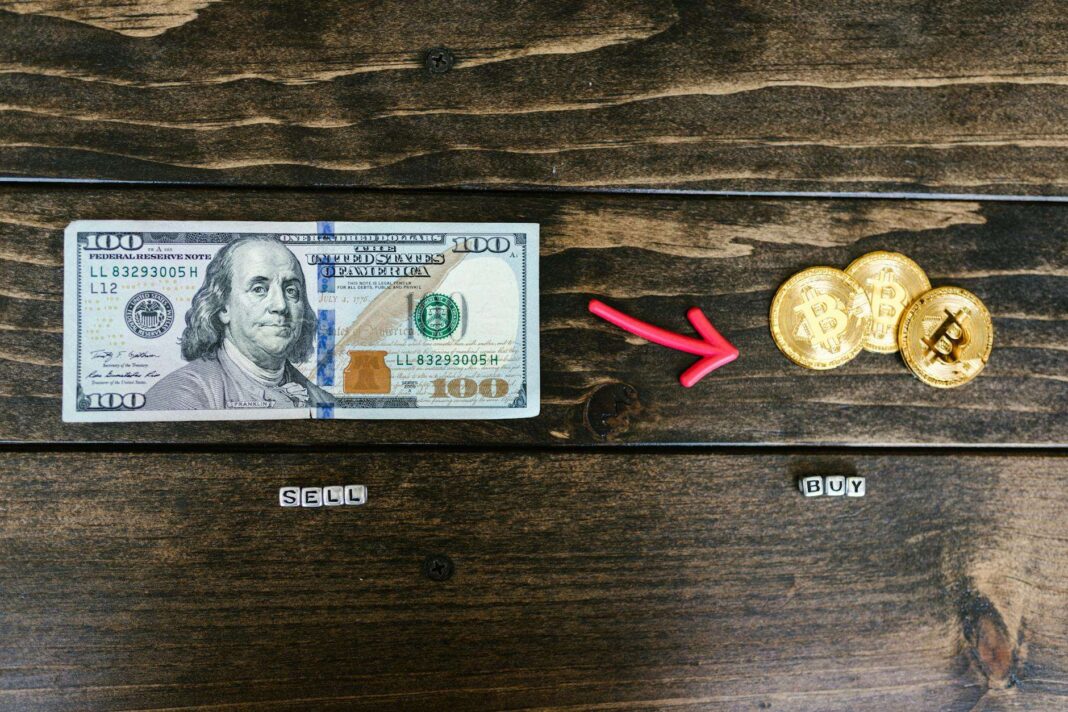
Sitting down with only a hundred bucks to start investing in crypto feels utterly ridiculous sometimes, especially when you see headlines about folks dropping thousands into Bitcoin or Ethereum before breakfast. I remember when I first tried this; I thought my $100 would evaporate faster than free beer at a conference. That initial hurdle—the feeling that you need deep pockets—is exactly what keeps most people out of the game, and frankly, it’s a scam designed by the industry itself.
You absolutely can start putting crypto to work with just one hundred dollars. The key isn’t making a huge return immediately; it’s learning the mechanics, understanding the volatility, and getting comfortable with the process. We’re talking about cost-averaging and small, consistent bets here, not trying to time the market perfectly right out of the gate. Think about it: $100 spent on a few shares of a major stable stock might earn you pennies in a year, but in crypto, that same amount buys you essential experience.
The most crucial thing you’ll need is a reputable exchange. Forget those sketchy sites you stumbled upon six years ago. You need something mainstream and regulated, like Coinbase or Kraken. Setting up accounts usually involves the usual identity verification hassles; seriously, uploading my driver’s license felt like applying for a mortgage, not buying digital coins, which always surprises me how cumbersome the onboarding process remains. Make sure you investigate their fee structures closely before depositing, because when you’re only moving $100, transaction fees can eat up a significant percentage of your capital immediately.
Since you only have $100, you should immediately default to Dollar-Cost Averaging (DCA). This means you don’t drop the whole $100 at once—that’s pure gambling. Instead, you break it up. Maybe you commit to buying $25 worth of crypto every week for four weeks. This smooths out the inevitable wild price swings. If Bitcoin tanks next Tuesday, you’re protected slightly because you haven’t deployed all your cash yet. Investing just $25 every Friday for a month feels far less scary than risking the whole pile on one Tuesday morning pump.
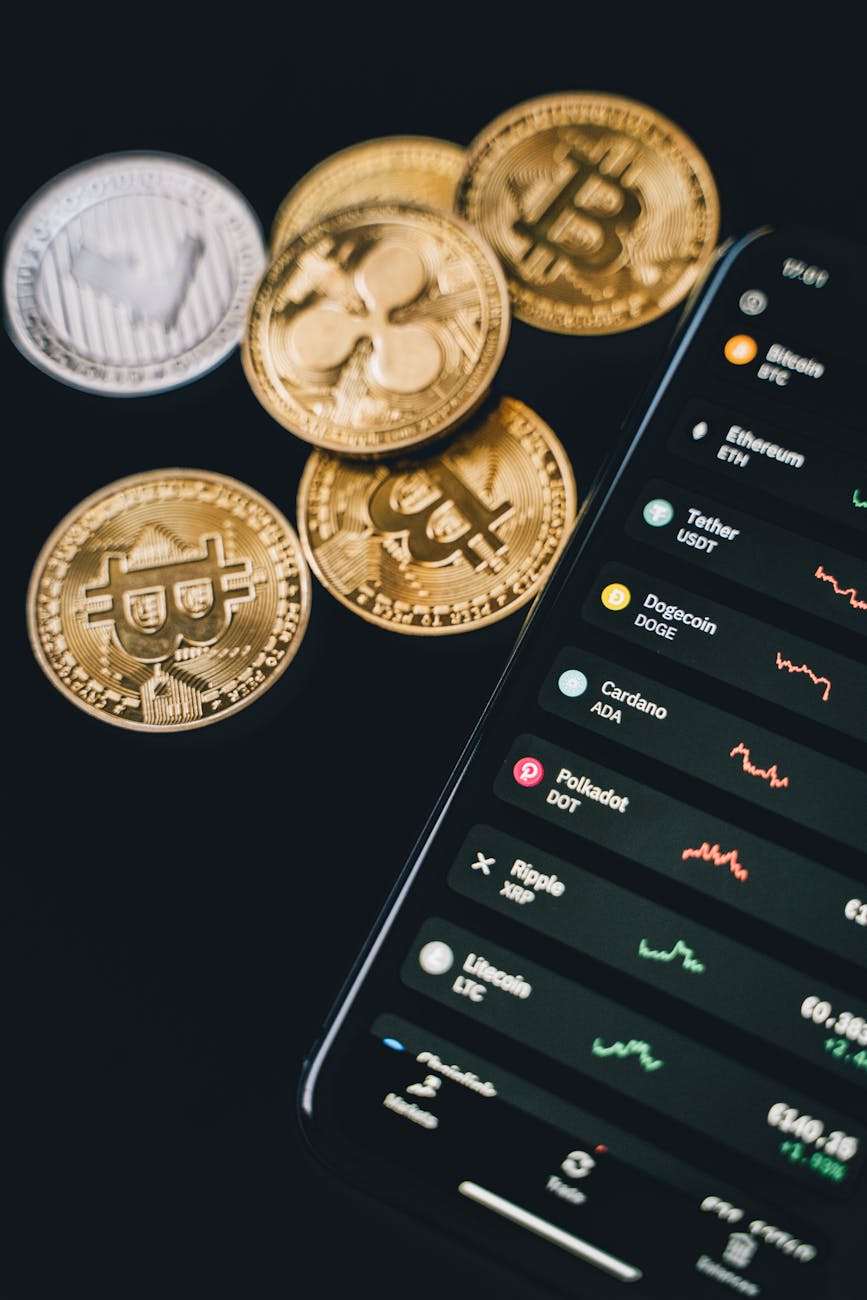
When deciding what to buy, stick to the big players exclusively with this small starting budget. Don’t even look at the meme coins or some obscure altcoin promising 100x returns; those will just send your $100 to zero by Friday. I strongly advise putting the bulk—say, 70% to 80% of your small investment—into Bitcoin (BTC) or Ethereum (ETH). These two have the longest track records and the deepest liquidity. A good starting split might be $40 in BTC and $40 in ETH.
That leaves you with about $20 left over. You can use this remainder to experiment, but keep it cautious. Perhaps you allocate $10 to a different established asset like Cardano (ADA) or Solana (SOL), just so you learn how to transfer assets between different trading pairs on the exchange. The goal here isn’t massive gains; it’s practical education. Learning about blockchain explorers and watching how pending transactions behave is invaluable, even if you’re only moving $10 worth of coin. For a deeper look into understanding risk management in digital assets, Investopedia offers great resources on diversification principles.
Here’s the real drawback, and it’s frustrating: fractional shares are a blessing and a curse. Yes, you can buy pieces of Bitcoin, which is fantastic for small budgets. However, when you have very little capital, the sheer quantity of coins you own feels negligible. Seeing your portfolio value jump from $98 to $103 isn’t remotely as exciting as seeing someone else’s $5,000 investment jump by the same percentage. That psychological barrier to entry remains real, even when the financial barrier is low.
You must understand security protocols early. Once you accumulate a little more—maybe you hit $500 over a few months—you absolutely need to move off exchanges and into a hardware wallet, like Ledger or Trezor. For your initial $100, keeping it on a major centralized exchange like Coinbase is probably the simplest way to avoid immediately losing access because you messed up a seed phrase backup; NerdWallet reviews often cover the relative security of these platforms for beginners. Remember, holding crypto means you are your own bank, which is powerful until you forget your password and get locked out forever. If you manage to keep adding $100 a month for a year, you’ll own substantial educational value regardless of the market’s performance according to analyses from sources like Forbes.
Don’t confuse buying crypto with investing—buying is the first step, but true investing involves understanding concepts like staking rewards or decentralized finance pools, which you probably aren’t going to touch with your initial $100. For now, just focus on executing DCA trades flawlessly and not getting scared into panic selling when the price drops 15% overnight.
Frankly, starting with only $100 is a fantastic way to guarantee you’ll never become a millionaire off this strategy alone.