

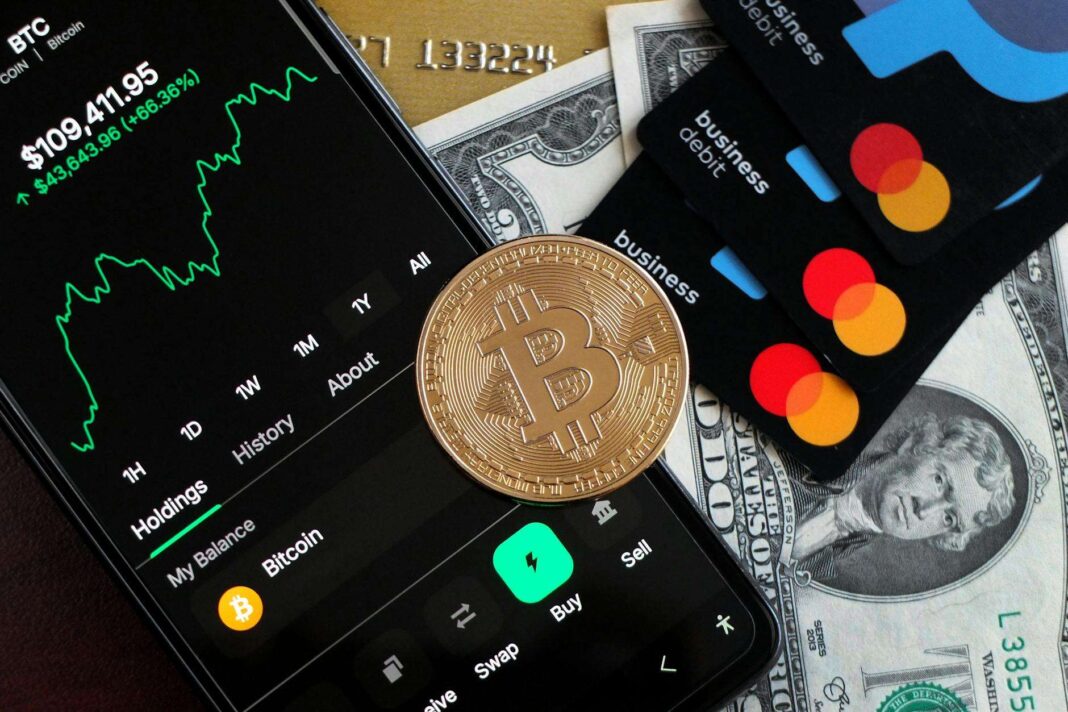
Finding a crypto rewards credit card that actually pays you in Bitcoin used to feel like searching for a unicorn back in 2017. Now, the market is genuinely flooded, which is both a blessing and a curse. You really have to dig past the shiny sign-up bonuses to see what the ongoing earning power looks like.
I remember the early days when one card offered a measly 1% back if you redeemed it immediately for their own proprietary token, which felt less like rewards and more like a forced investment. Today, things are far more flexible, allowing you to rack up crypto on your everyday spending, which is exactly what we want.
The Gemini Credit Card, back when it was active, was a masterclass in simplicity; you earned, say, 3% back on dining and instantly got it in Dash or whatever you chose. That ease of use was phenomenal for beginners. Unfortunately, Gemini pulled the plug on that specific offering, proving that even seemingly solid platforms can pivot quickly.
You’ve gotta look closely at the APR before you get too excited about boosting your Bitcoin stash. If you carry a balance—and I’ve definitely been there after an unexpected home repair—those high interest rates could easily wipe out any crypto gains you make in a year. I think it’s crazy that some of these crypto cards feature APR near 30%. That’s predatory lending wrapped in a shiny cryptocurrency bow, if you ask me.
One of the most intriguing current options centers around cards that offer straight Bitcoin rewards. Take the Crypto.com Visa Card, for instance, though it operates more like a prepaid debit system linked to your exchange account rather than a traditional Visa or Mastercard. They structure their rewards tiers based on how much of their native CRO token you stake—you might get 2% to 8% back depending on your commitment level. It’s a decent system if you’re already heavily invested in their ecosystem, as you pointed out.
A real sticking point for many, including myself, is the friction involved with tax reporting. While getting 2% back in Ethereum feels great when you buy groceries, the IRS considers that reward income on the day you receive it, based on its fair market value at that moment. Suddenly, that simple $100 grocery run that yielded $2 in ETH turns into two taxable events, which is a headache you have to organize using specialized crypto tax software like Koinly or CoinTracker. Dealing with that constant micro-taxable income is genuinely frustrating.
Regarding traditional credit cards that function more seamlessly, cards linked to established exchanges often win on the traditional credit front. These often function as standard Mastercards or Visas, giving you the ability to earn crypto rewards while benefiting from standard consumer protections, like those offered by major networks, as outlined by resources like Investopedia on credit card security features. Earning 3% in USDC on gas purchases feels very different when you know the issuer fully adheres to Fair Credit Billing Act protections.
Now, here’s where the criticism hits hard: the earning caps. Many top-tier cards limit the amount you can earn at the highest percentage. You might score 4% back on dining up to $2,000 per month, but after that, it tanks down to a paltry 1%. If you’re a big spender—say you’re renovating your kitchen and drop $15,000 on materials in one month—you’ll quickly blow past that cap and the excitement evaporates. It becomes a very standard rewards card after that sweet spot.
My personal take is that if you can’t earn at least 3% back universally without locking up significant capital like you have to with some stake-based cards, it’s probably not worth the hassle over a simple 2% cash-back flat-rate card, especially considering the tracking complexity. Why complicate things for an extra half-percent? You really need that high earning power to justify the tax tracking nightmare. For more general consumer finance advice on optimizing rewards, one should always check reputable sources like Forbes for broad strategy tips.
These cards are definitely more suited for the crypto-native crowd—the folks who are already comfortable moving assets between wallets and exchanges, maybe even using exchanges like Coinbase for their primary banking functions. If you need basic consumer protection guides, the Consumer Financial Protection Bureau has detailed information regarding credit card rights. But honestly, if you aren’t excited about getting paid in Dogecoin for buying coffee, you’re probably better off sticking to airline miles.