

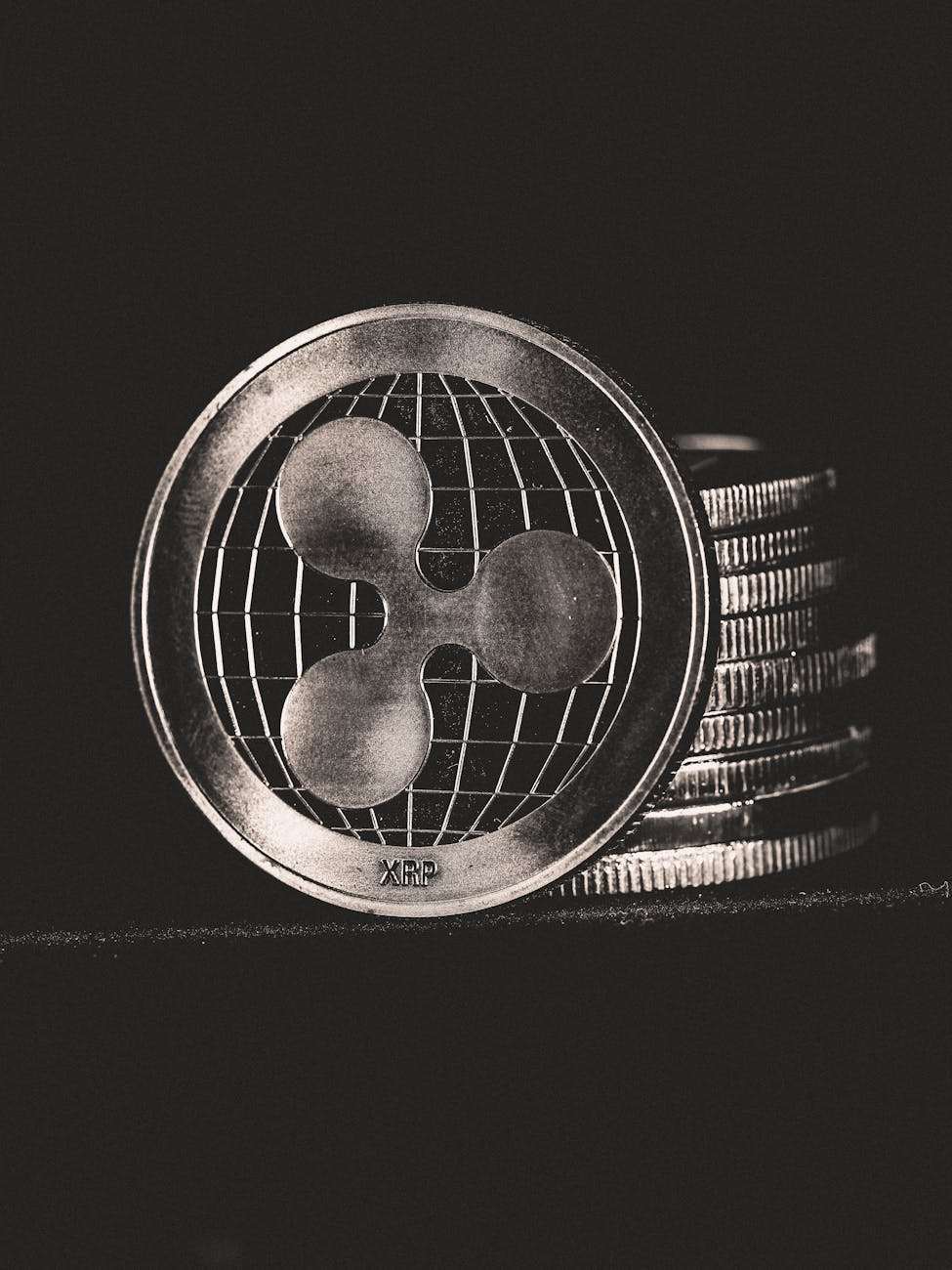
Five years ago, I almost bought a chunk of XRP because the hype machine was running full tilt, promising lightning-fast transactions for banks. That initial excitement, though, often overshadows the complex legal drama they’ve been mired in for ages. XRP isn’t just another cryptocurrency; it’s the native asset of the RippleNet ecosystem, designed specifically to grease the wheels of international bank transfers. Forget waiting days for an SWIFT message to clear; Ripple’s pitch is near-instant settlement, often taking just a few seconds.
A huge chunk of the value proposition revolves around Ripple’s centralized control over certain aspects of the network, which is something you rarely see with decentralized coins like Bitcoin. While Ripple Labs pushes xCurrent and xRapid (now mostly branded under On-Demand Liquidity or ODL) to help financial institutions move money globally, they maintain a significant portion of the XRP ledger’s fate in their hands. This dichotomy—a decentralized ledger powered by a fairly centralized company—is the core tension everyone watches.
The major reason serious investors keep their eyes glued to this space relates entirely to the Securities and Exchange Commission (SEC) lawsuit. This whole mess started back in late 2020, accusing Ripple of conducting an unregistered securities offering when they sold XRP years prior. Depending on how that court case settles, the regulatory clarity (or lack thereof) could send the price soaring up to ten times its current value or cause serious structural damage to its use case in the US market. You can check out the general trajectory of the SEC complaints on financial news sites to see how much noise this constantly generates.
I remember being absolutely flabbergasted when I first read the core arguments from both sides; it’s such a murky area of law when applied to digital assets. The SEC argues that because investors expected a profit driven by Ripple’s efforts, XRP functions as a security, much like a stock in a company. Ripple, conversely, maintains that XRP is merely a commodity or currency exchange mechanism, decentralized enough not to fall under that strict security definition. For many international users, this US regulatory battle is just noise, but for US-based exchanges, it means XRP has often been delisted or unavailable for trade for years, which is a massive constraint on liquidity.
It’s crucial to understand the difference between RippleNet and the XRP Ledger (XRPL). RippleNet is the private infrastructure used by banks, and they don’t necessarily have to use XRP to utilize it. XRP, however, is the digital asset that facilitates the liquidity bridge through ODL products. It acts as pre-funded digital currency that banks can use to instantly cover cross-border payments without tying up capital in numerous foreign nostro/vostro accounts, potentially saving institutions millions in operational costs annually. Think of it like using a middleman currency for instant conversion, bypassing the slow correspondent banking system described extensively by resources like Investopedia.
The inherent limitation here, and this is where my personal frustration kicks in, is the perceived lack of true decentralization. Even if the courts rule in Ripple’s favor regarding the security question, the fact remains that Ripple Labs still controls a massive amount of the total XRP supply. While they claim to release tokens from escrow regularly, critics always point to those massive monthly unlocks as a potential flood risk for the market price.
When you look at the technical speed, XRP is unbelievably fast, often settling transactions processed in under 4 seconds. Compare that to Bitcoin, which often requires confirmation times stretching toward an hour or more for true finality, depending on network congestion. Tools like XRP ToolSet showcase the ledger’s capabilities for things way beyond simple payments, like creating smart contracts and decentralized exchanges, though adoption in those areas lags significantly behind the payment focus.
The volume of XRP traded daily can fluctuate wildly, often seeing peaks when legal news breaks, but the baseline liquidity outside of major US exchanges can be thinner than seasoned traders prefer. If you looked at the trading volume in Asian markets compared to US trading volume before the ban, the difference was staggering. Ultimately, the primary reason anyone holds XRP today isn’t necessarily because they plan to buy coffee with it next Tuesday; it’s a bet on the institutional adoption of Ripple’s technology and the resolution of a decade-long regulatory ambiguity, much like the ongoing tax clarification issues surrounding digital assets mentioned by the IRS.
Honestly, if Ripple Labs somehow went bust tomorrow, the underlying XRP Ledger would likely chug along just fine, which is the ultimate irony of this whole situation.