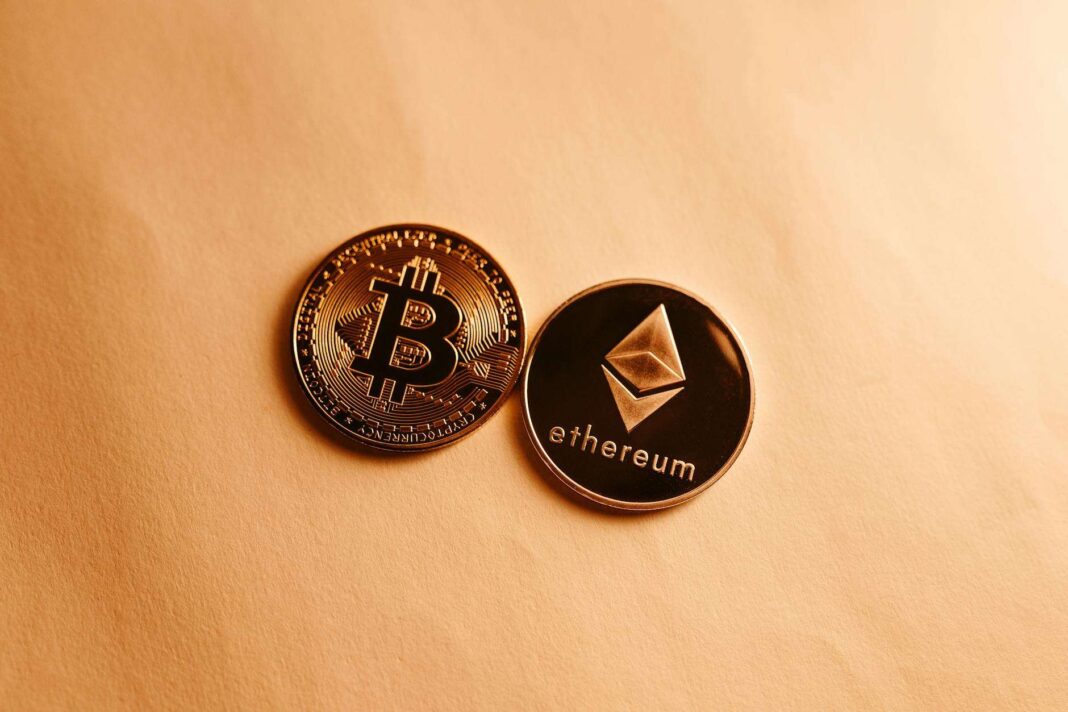



When I first cranked up my antediluvian Pentium III back in ’09 trying to mine Bitcoin, I think I made maybe three cents after three days. Seriously, the sheer energy I burned just to be humbled by the network was astonishing. That was back when you could still dabble with a regular CPU miner and feel like you were part of the action. Those days are long gone, my friend.
You can’t just plug your spare laptop in now and expect to buy a new graphics card with your earnings; the reality is much starker in the current crypto mining landscape. We’re talking about needing specialized hardware, careful cost-benefit analysis, and a serious understanding of your electricity rate. If you’re looking to jump into mining cryptocurrency at home today, especially Bitcoin, you need to be realistic about what you’re getting into.
The main hardware upgrade you’ll hear about immediately is the ASIC miner. These Application-Specific Integrated Circuits are built for one job and one job only: hashing specific algorithms, usually SHA-256 for Bitcoin. Think of an ASIC like a specialized culinary tool; it makes one thing perfectly, but you can’t use it to chop onions. Companies like Bitmain dominate this space, churning out machines that boast hash rates measured in terahashes per second (TH/s). I remember seeing the first Antminer S19 advertisements and being floored by the power consumption figures—they pull significant juice!
For beginners wanting to explore mining without dropping thousands on the latest ASIC, or maybe wanting to try something other than Bitcoin, you’ll look at GPU mining instead. This involves using high-end graphics processing units, often AMD or NVIDIA cards, that are powerful enough to handle hashing algorithms like Ethash (though Ethereum transitioned away from this dramatically with “The Merge,” making GPU mining for ETH obsolete). Today, you might look at mining smaller altcoins like Ravencoin or perhaps some privacy coins. A decent modern GPU rig might cost you anywhere from $1,500 to $4,000 to set up properly, depending on market availability.
You absolutely must check your power efficiency. This is where most hobby miners fail spectacularly. If your local utility company charges you more than about $0.10 per kilowatt-hour (kWh), you’re already swimming upstream against established industrial operations. You can find your exact rate printed right on your utility bill. Remember, the goal is to get more crypto value back than the dollar cost of the electricity used to generate that crypto; that margin is thinner than tracing paper right now.
My biggest piece of advice for anyone setting up a multi-GPU rig is ventilation and noise management. I once set up a test rig in the spare room, just four cards running, and my wife thought the house was haunted by a swarm of angry bees. The heat output is considerable, easily pushing room temperatures up by 15 to 20 degrees Fahrenheit. You need dedicated cooling, probably external exhaust fans, or you’ll fry your expensive components far faster than you earn back their cost.
Entering a mining pool is non-negotiable for anyone using consumer hardware. Mining solo means waiting potentially years to ever find a block reward; that’s completely impractical. Mining pools combine the hash power of thousands of miners, and when the pool solves a block, the reward—say, 6.25 BTC plus transaction fees today—is distributed proportionally among the participants based on how much work (shares) they contributed. You get small, steady payouts instead of an astronomical, non-guaranteed jackpot. Look up reputable pools like F2Pool or SlushPool for established track records.
Here’s the brutal reality check: Bitcoin mining difficulty adjusts every two weeks, and it seems to only ever go up, meaning your hash rate buys you less and less BTC over time unless the price skyrockets. It’s a constant arms race against better, newer hardware and increasingly complex algorithms. Despite all the noise about decentralized mining, large-scale operations with access to cheap power—often under $0.05 per kWh—control the vast majority of the hash rate, making the individual home miner feel increasingly like a symbolic participant rather than a serious competitor, as detailed in reports on the sector. Understanding the global hash rate distribution is depressing if you’re running a small setup in your basement.
The greatest frustration I ever had was troubleshooting driver conflicts on a Windows-based mining rig. Switching OS to something lightweight like HiveOS was a massive quality-of-life improvement, but manually fixing incompatibility issues between a new NVIDIA driver update and an old ethminer version nearly made me sell the whole lot for scrap metal. It often feels less like technical engineering and more like digital alchemy, hoping the right sequence of updates doesn’t brick your investment.
If you’re interested in mining something other than Bitcoin that might be easier on your hardware or offer a friendlier entry point, research coins that use Proof-of-Stake (PoS) consensus mechanisms, even though you aren’t technically “mining” them, you might be staking them for rewards—a completely different, lower-power activity. However, for the pure, raw, decentralized thrill of securing the Bitcoin network, you’ll need that ASIC and a contract with a power company that doesn’t view you as a personal ATM. Honestly, you’re probably better off just DCA’ing into Bitcoin via an established exchange unless you genuinely enjoy optimizing cooling systems above all else.