


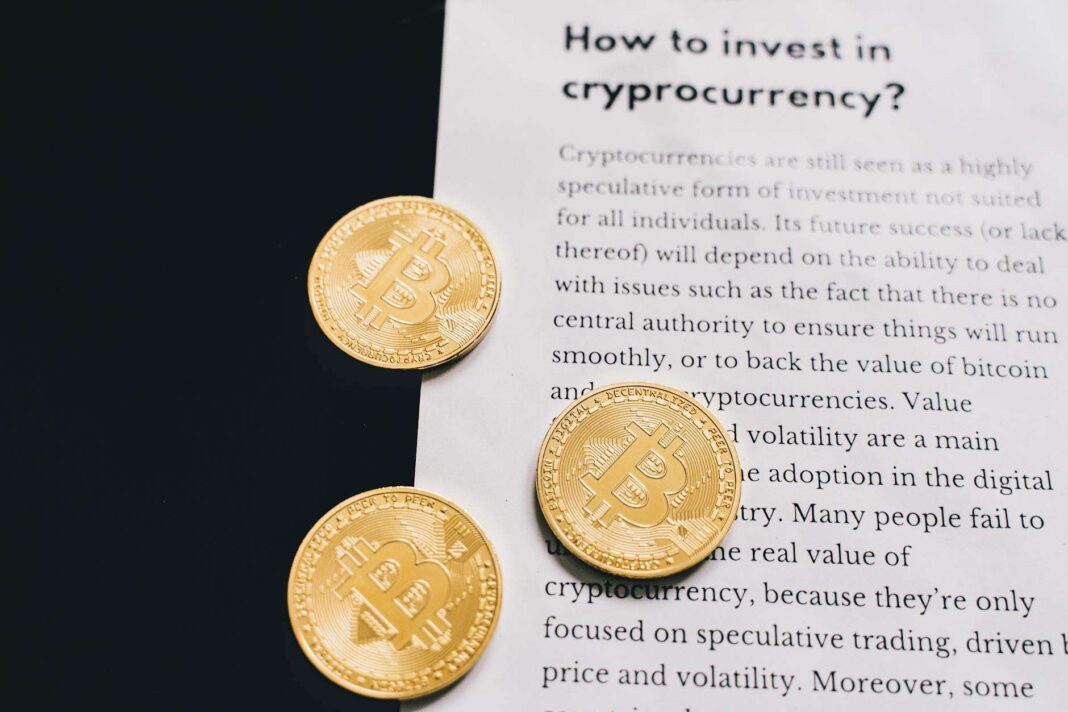
I remember opening my first Bitcoin account back when it traded for just a few hundred bucks; I thought setting up the exchange account was going to be impossible, wading through confusing jargon and security prompts that seemed designed to keep people out. The digital asset landscape has changed dramatically since those early, relatively primitive days. Nowadays, you’ve got dozens of slick investment apps that make buying your first fraction of a digital coin feel as simple as ordering takeout. But simplicity doesn’t always equal maximum profit, which is what we’re really aiming for here.
You’ve got two main camps when it comes to where you should be buying and holding your crypto: the dedicated, feature-rich crypto exchanges and the integrated brokerage apps that have tacked crypto onto their standard stock offerings. Take Coinbase, for example; it’s probably the easiest on-ramp for absolute beginners, offering a very intuitive interface and high security standards, which is why millions use it. However, their standard trading fees can sometimes eat into your small gains, often running around 0.60% per trade, which adds up fast if you’re actively trading volatile assets.
My honest take is that if you plan on doing anything more complex than buying and holding for years—like using limit orders or moving assets to cold storage—you should gravitate toward an actual exchange like Kraken. They offer much lower trading fees, sometimes dipping below 0.25% depending on your trading volume, and they generally provide deeper access to different trading pairs and advanced order types. I was genuinely shocked the first time I saw how much lower their maker/taker fees were compared to the mainstream options that charge exorbitant rates just for ease of use.
For those who are focused heavily on stocks but want a bit of crypto exposure without setting up a separate login, the brokerage apps shine, kind of. Robinhood is the poster child here; their interface is buttery smooth, and for a long time, they advertised commission-free trading for crypto. That sounds fantastic, right? Well, here’s the reality check: Robinhood’s primary drawback, and this is a major frustration point for many long-term holders, is that until very recently, they didn’t always facilitate true self-custody of your coins—meaning you couldn’t move your Bitcoin off their platform to your own hardware wallet. You owned the exposure, but not the actual keys, which is a huge point of failure in the crypto security model. You can check out guidance from Investopedia on the importance of custody here.
If you’re dealing with significant sums, say over $10,000 annually, you absolutely need to look hard at fee structures. The difference between paying 1.5% total fees versus 0.20% on every buy and sell translates directly into thousands of dollars in lost potential profit over a few market cycles. This aggressive fee structure is a baked-in limitation for many of the user-friendly apps focused on the casual investor.
Then there are the platforms that blend traditional finance heavily with crypto, like PayPal or Square’s Cash App. These are excellent for micro-investing or dipping your toe in with incredibly small amounts, maybe just $5 here and there. For instance, on the Cash App, you can buy fractions of Bitcoin instantly while waiting in line at the grocery store. It’s dangerously easy. Bitcoin itself is volatile, often swinging 10% or more in a single day, so having that instant access is both a blessing and a curse when the market decides to tank unexpectedly—I’ve certainly made impulse buys I later regretted on those platforms.
When thinking about maximizing profit, you shouldn’t just compare trading fees; you need to consider rewards and convenience. Some platforms offer staking rewards if you hold certain altcoins, effectively paying you a small percentage yield to keep your assets right there on the platform, similar to earning interest in a savings account. Always investigate the platform’s security track record, too. A major hack, even if insurance covers losses, can lock up your funds for weeks, effectively making your investment illiquid, a risk I learned about reading reports from government sources regarding past exchange failures.
Ultimately, the best Bitcoin investment app isn’t about the branding; it’s about matching the platform’s capabilities—low fees, withdrawal options, and security features—to your specific level of expertise and investment strategy. If you’re a passive investor buying monthly, use the easiest platform you can tolerate. If you’re chasing day trading profits, you need the exchanges with the tightest spreads and lowest fees available. Despite all these modern conveniences, I still think securing your significant holdings on a hardware wallet like Ledger or Trezor, completely disconnected from any app, remains the most financially astute move anyone can make.