

Fifty thousand dollars. That’s roughly what I saw my initial Bitcoin investment dip to during the 2021 crash, and honestly, that stomach-dropping moment taught me more than a thousand whitepapers ever could about long-term crypto investment. You’re not just buying hype; you’re betting on infrastructure that might fundamentally change finance, and that takes grit.
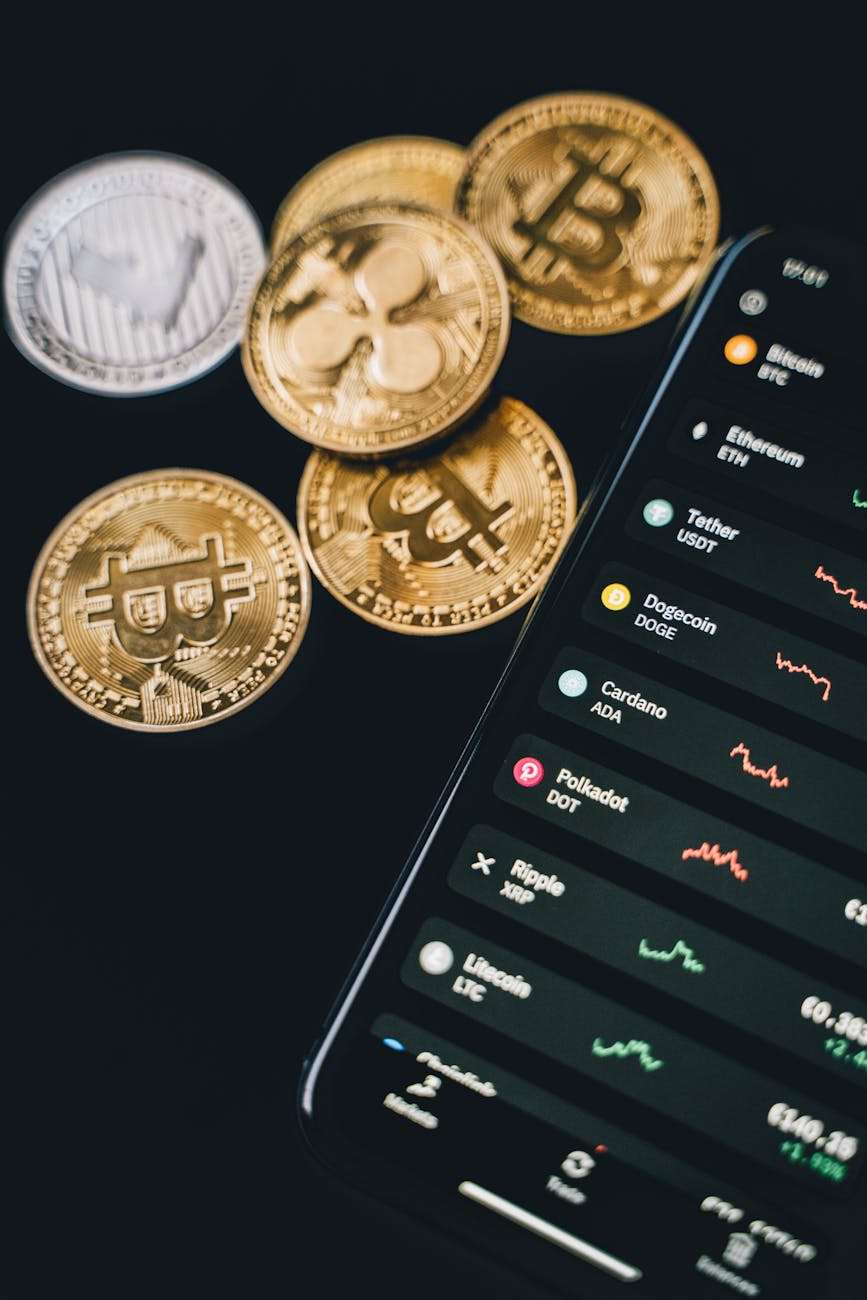
The obvious choices always dominate any discussion about top coins to buy and hold, and for good reason: Bitcoin (BTC) remains the undisputed king. Think of it as digital gold. Its scarcity, capped at 21 million coins, provides a powerful narrative against fiat currency debasement. While some newer projects offer faster transactions or fancier features, BTC has unmatched decentralization and security, proven over more than a decade. If you’re building a long-term crypto portfolio, you absolutely need a solid BTC allocation, probably over 50% of your total crypto exposure, depending on your risk tolerance.
Ethereum, on the other hand, is the engine room, the global settlement layer for almost everything interesting happening in decentralized finance (DeFi) and NFTs. It’s the platform where developers build applications, not just a store of value. Seeing the technical hurdles they overcame with The Merge, transitioning to Proof-of-Stake, was truly impressive; that kind of massive engineering feat separates the serious players from the one-hit wonders. I remember when the gas fees spiked so high during that NFT mania that sending a simple token cost nearly $150. That period highlighted a major limitation: scalability is still the Achilles’ heel of the current Ethereum network, though solutions like Layer 2s are aggressively addressing this.
Talking about Ethereum alternatives, you can’t ignore Solana (SOL). It boasts incredible speed, often processing thousands of transactions per second, making it feel snappy, almost like using PayPal instead of waiting for classic banking transfers. However, that speed often comes with trade-offs, like the notorious network outages that crop up now and then—a real frustration when you’re trying to execute a time-sensitive trade. Even the most robust systems have growing pains, and Solana’s history of downtime is a genuine concern for anyone prioritizing absolute uptime for their long-term crypto holdings.
When scouting for truly long-term value, you need projects solving tangible problems outside of just being currency or smart contract platforms. Consider something like Chainlink (LINK). They solve the oracle problem: how do you securely get real-world data—like stock prices or weather reports—onto the blockchain without compromising security? Chainlink provides this crucial middleware, connecting the on-chain world with the off-chain world, which is essential for complex DeFi lending and insurance products to function reliably. It’s the plumbing of the decentralized web, and plumbing systems tend to have very long lifespans if they’re well-built.
My personal opinion is that focusing too much on twenty different altcoins with small market caps is a rookie mistake; you dilute your efforts and expose yourself to unnecessary project failure risk. Stick to the top ten by market capitalization for the bulk of your buy and hold strategy. You’re hunting for enduring utility, not the next meme coin that triples overnight before vanishing by next Tuesday. You can read about how institutional adoption affects token prices over at Investopedia.
You should also look beyond the absolute market leaders toward established layer-one competitors that solve specific niches well. Cardano (ADA), for example, uses a heavily academic, research-driven approach to development. While some might criticize its slower rollout speed—it often feels like watching paint dry compared to the breakneck pace of others—that deliberate methodology aims for unparalleled security and stability. This methodical approach is detailed in their open-source philosophy, accessible via their main resources, showing a clear commitment to peer review, unlike some projects that ship code first and ask for forgiveness later.
The truth is, chasing small-cap coins hoping for a 100x return is closer to gambling than investing; you have to accept that most of the crypto projects started since 2020 will eventually fail, as history in tech innovation tends to prove time and again, according to funding data reported by sources like Forbes. That’s why diversifying into established assets like Bitcoin and Ethereum shields you when the inevitable shakeout occurs. Ultimately, the best cryptocurrency for long-term investment might just be the one whose founder accidentally leaks a terrible photo, making everyone sell instantly, forcing you to buy twice as much while the rest of the market panics.