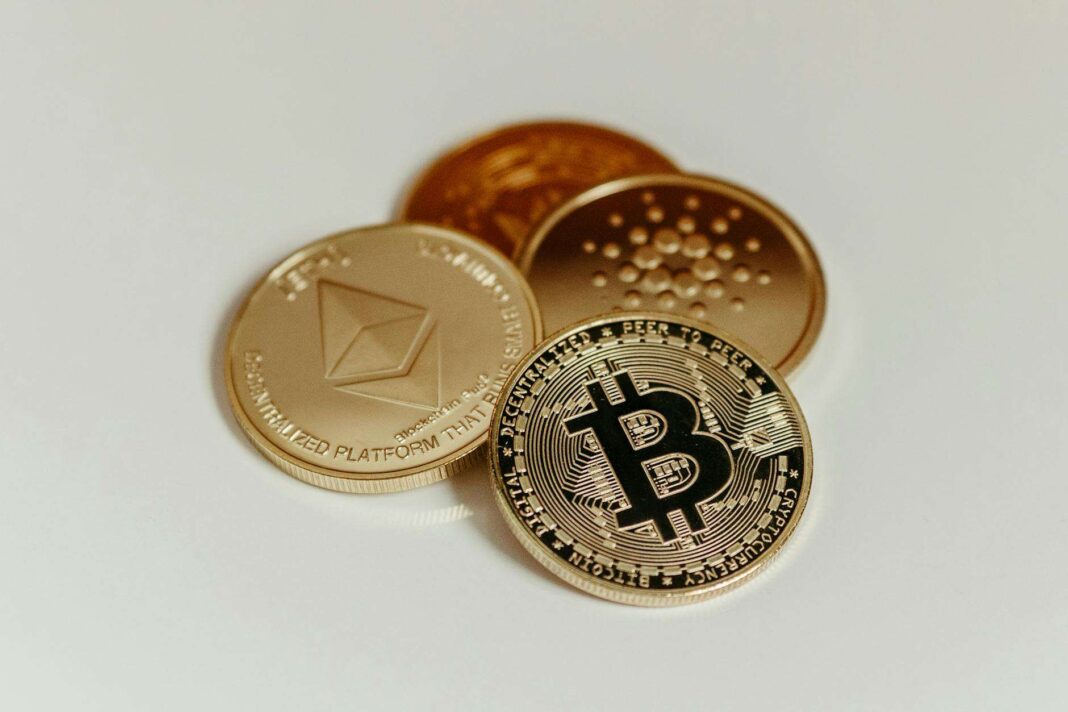



The sheer number of altcoins available today is frankly ridiculous—I remember when there were maybe 50 legitimate projects; now you’re drowning in thousands of tokens created over a weekend. Picking one that won’t evaporate by next Tuesday takes serious due diligence, not just reading hype on X (formerly Twitter). We’re looking for real utility married to sustainable tokenomics, aiming for growth potential that actually sticks, not just a 200% pump based on a celebrity tweet.
That $10 million idea you heard about yesterday? It probably won’t pan out if the underlying tech is shaky. I’ve seen projects raise millions in seed funding only to disappear because they couldn’t deliver a working product; Ethereum, for all its flaws, actually created an ecosystem that developers flock to. Speaking of established ecosystems, the first real contender always has to be Ethereum (ETH) itself, even though it’s technically the OG altcoin behind Bitcoin. Its pending scalability upgrades and massive developer community suggest it’s still got years of serious growth runway left, perhaps seeing its market cap increase by several factors over the next few high-growth cycles.
When people talk about high potential, they often mean high risk, so let’s look at the heavy hitters in Layer 1 competitors that are actually solving scalability issues. Solana (SOL) is the obvious choice here. Its transaction speed is jaw-dropping—we’re talking speeds in the tens of thousands per second, which makes Visa look prehistoric on paper—and the fees are pennies. I was legitimately surprised last year when I onboarded a small DeFi application onto Solana because the costs were so low; it felt like I was using money from 2012. However, watch out for network reliability; they’ve had frustrating outages that remind you this technology is still relatively young, which is a significant downside compared to the battle-tested resilience of Bitcoin.
Then you’ve got Cardano (ADA), which operates on a completely different philosophy. They preach peer-reviewed research, which means development is slower, but when they roll something out, it’s generally rock solid. While it hasn’t seen the explosive usage uptake of Solana during recent bull runs, its methodical approach appeals to those who view crypto as serious infrastructure, not just a casino.
If we pivot to utility, Chainlink (LINK) stands out immediately. This project solves the “oracle problem,” feeding real-world data into smart contracts securely. Without reliable oracles, DeFi simply stops working, making LINK foundational infrastructure for pretty much every major blockchain ecosystem out there. The growth potential here isn’t about beating Bitcoin; it’s about becoming an indispensable service layer, perhaps doubling its current valuation multiple times just by capturing more enterprise adoption across various industries.
You can’t ignore decentralized finance (DeFi) platforms, and my personal favorites often orbit around the concept of cross-chain interoperability. Polkadot (DOT) is designed specifically to allow different blockchains to communicate through its central Relay Chain and parachains. It’s complex, sure, but the idea of a multi-chain future necessitates something like Polkadot to stitch it all together.
For something focused purely on speed for specific niches, look at layer 2 solutions built on top of Ethereum. Polygon (MATIC) has done an incredible job integrating into the existing Ethereum world, offering low-cost transactions required for mainstream adoption of gaming and extensive NFT marketplaces. I think projects like Polygon are where the real everyday utility growth will materialize over the next three to five years, quietly becoming the plumbing of Web3.
Beware the meme coins; they attract plenty of attention but rarely offer measurable growth potential outside of pure speculation. I advise staying far away from tokens built only on community vibes unless you treat it like gambling money you’re prepared to lose immediately.
Regarding privacy, which remains a significant concern for many advanced users, though it often lags in mainstream popularity, Monero (XMR) still maintains dominance. It offers genuinely untraceable transactions, a feature that governments and financial institutions often frown upon, which limits its institutional appeal, but crypto purists recognize its true value proposition. For pure, unadulterated censorship resistance, XMR is tough to beat, despite often trading sideways for long stretches.
I’ve always been fascinated by the tokenization of real-world assets, and while nascent, projects focused there have massive potential if regulations ever clear up. Keep an eye on the infrastructure paving the way for tokenized securities and real estate; the potential market capitalization swap from physical assets into digital ones is staggering, potentially worth trillions within a decade, according to some analysts researching tokenization trends.
Finally, let’s touch on decentralized cloud storage, a crucial piece of infrastructure. Filecoin (FIL) aims to decentralize the way we store massive amounts of data away from Amazon Web Services or Google Cloud. While adoption has been slow to match the hype, the need for a decentralized storage alternative is real, persistent, and backed by serious funds, putting it on the radar for significant long-term growth in the storage sector. Frankly, every major crypto investment needs a physical infrastructure play tucked in somewhere, even if it means holding something boring like Filecoin while dreaming about Ethereum’s next leap.