

When I first tried to cash out my Bitcoin holdings back in 2017, it felt like trying to defuse a bomb while blindfolded. You hear horror stories about funds vanishing or regulatory crackdowns freezing assets, and honestly, the complexity back then was immense. Now, things are much smoother, thankfully, but you still need to be sharp about security and speed.
You’ve got several paths to turn your digital assets into actual dollars, and the best route depends entirely on how fast you need the cash and how much you’re moving. The standard, most reliable method involves using a centralized exchange (CEX). Think of giants like Coinbase or Kraken; these platforms act as your trusted intermediary. You transfer your cryptocurrency from your private wallet, sell it for fiat currency (like USD), and then initiate a withdrawal to your linked bank account.
Selling on a major CEX is usually pretty swift on the selling side—often instantaneous once the order executes. The real bottleneck, and I mean this sincerely, is always the bank transfer. Depending on whether the exchange uses ACH or a quicker wire transfer, you might wait anywhere from a few hours to five business days. I remember getting frustrated waiting nearly a week just to cover that massive dinner bill I’d put off; sometimes, waiting for those traditional banking rails to catch up feels prehistoric.
Another option, especially if you need a fast, slightly more private transaction, involves peer-to-peer (P2P) platforms like LocalBitcoins (though they’ve shifted models) or integrated P2P features on exchanges like Binance. Here, you’re dealing directly with another person. You list your crypto, they send you the cash equivalent via a payment method you both agree on—maybe PayPal, maybe a direct transfer, or even a cash meetup if you’re dealing locally and feeling brave. The safety here is managed by an escrow system on the platform, which holds your crypto until you confirm receipt of payment.
If security is your absolute top priority and you’re moving significant amounts—say, over $50,000—then using an OTC (Over-The-Counter) desk is probably the way to go. These aren’t typical retail exchanges; they cater to institutions and large investors. They offer deep liquidity and customized pricing, which means you won’t cause massive slippage on the order book by selling a huge chunk all at once. This usually involves dedicated customer service reps who treat the transaction like a formal brokerage trade, offering much greater discretion than listing large sell orders publicly.
The biggest criticism I have regarding CEX withdrawals, which still irritates me today, is the KYC (Know Your Customer) process. To withdraw fiat, you must fully verify your identity, providing government IDs, proof of address, and sometimes even a selfie holding a piece of paper. It’s a necessary evil for regulatory compliance because the IRS and FinCEN are watching, but it feels overly invasive when you’re just trying to get your own money out after using the platform for years. Check out the Financial Crimes Enforcement Network (FinCEN) guidelines to see the strict reporting rules these exchanges must follow.
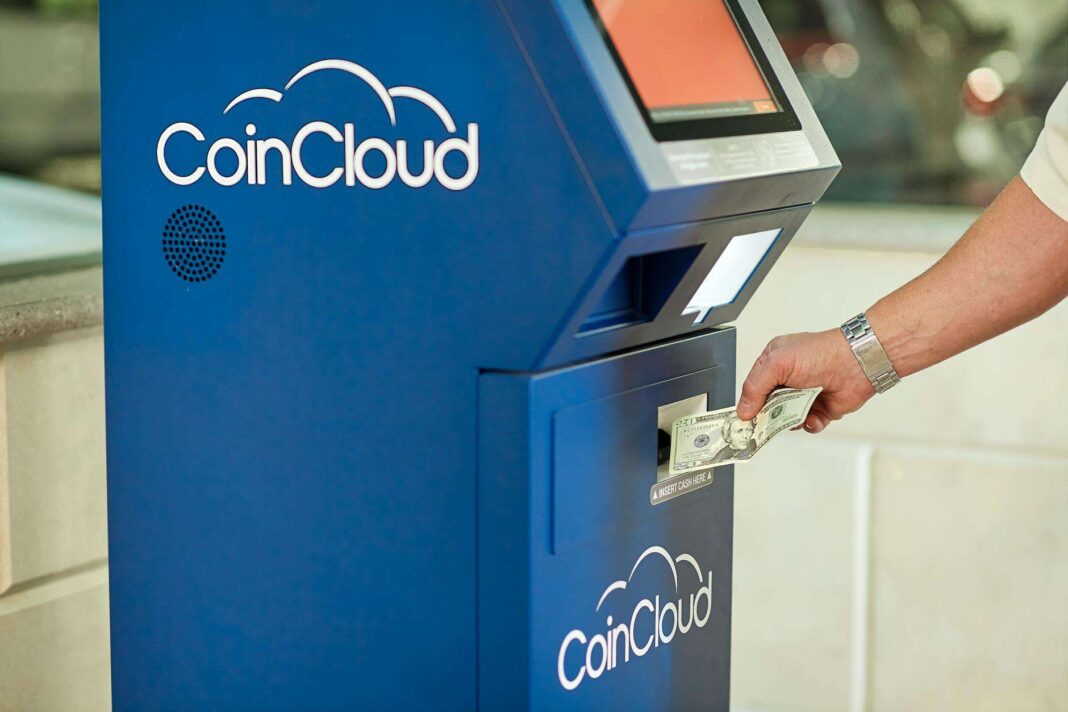
For smaller amounts, or if you’re uncomfortable linking your primary bank account to an exchange, using a crypto ATM can be surprisingly convenient, although costly. You search for an ATM, typically through a service like CoinATMRadar, scan your wallet QR code, and the machine dispenses physical cash. Be prepared, though; these machines tack on hefty fees, often ranging from 5% to 10% of the transaction value, because they need to cover the operational costs and the spread they build into the exchange rate. It’s fast cash, but expensive convenience.
Converting crypto to cash safely always boils down to minimizing the time your crypto sits vulnerable on an exchange or in transit. Always secure your exchange accounts with Two-Factor Authentication (2FA)—preferably using an app like Authy or Google Authenticator, not SMS, because text messaging is easily intercepted. Furthermore, only withdraw to bank accounts already verified and registered under your own legal name. According to Investopedia, mixing funds or using third-party accounts is a massive red flag for financial institutions.
My personal opinion is that avoiding non-custodial decentralized exchanges (DEXs) for off-ramping is usually the wisest move for fiat conversion, even though DEXs are fantastic for trading tokens. DEXs inherently don’t handle USD; they swap one crypto for another. Trying to bridge a DEX exit back into fiat often requires you to send the resulting token back to a CEX anyway, adding unnecessary steps and potential points of failure.
If you are dealing with niche or lesser-known altcoins, the reality is you’ll likely have to send them to a larger exchange like Kraken or Binance, sell them for Bitcoin or Ethereum, and then sell those major coins for your local currency. It’s a multi-step shuffle, but that’s the necessary friction when exiting less liquid markets. Honestly, the sheer variety of withdrawal options now available shouldn’t be viewed as a sign of flexibility, but rather a complicated map showing precisely where the security vulnerabilities lie.